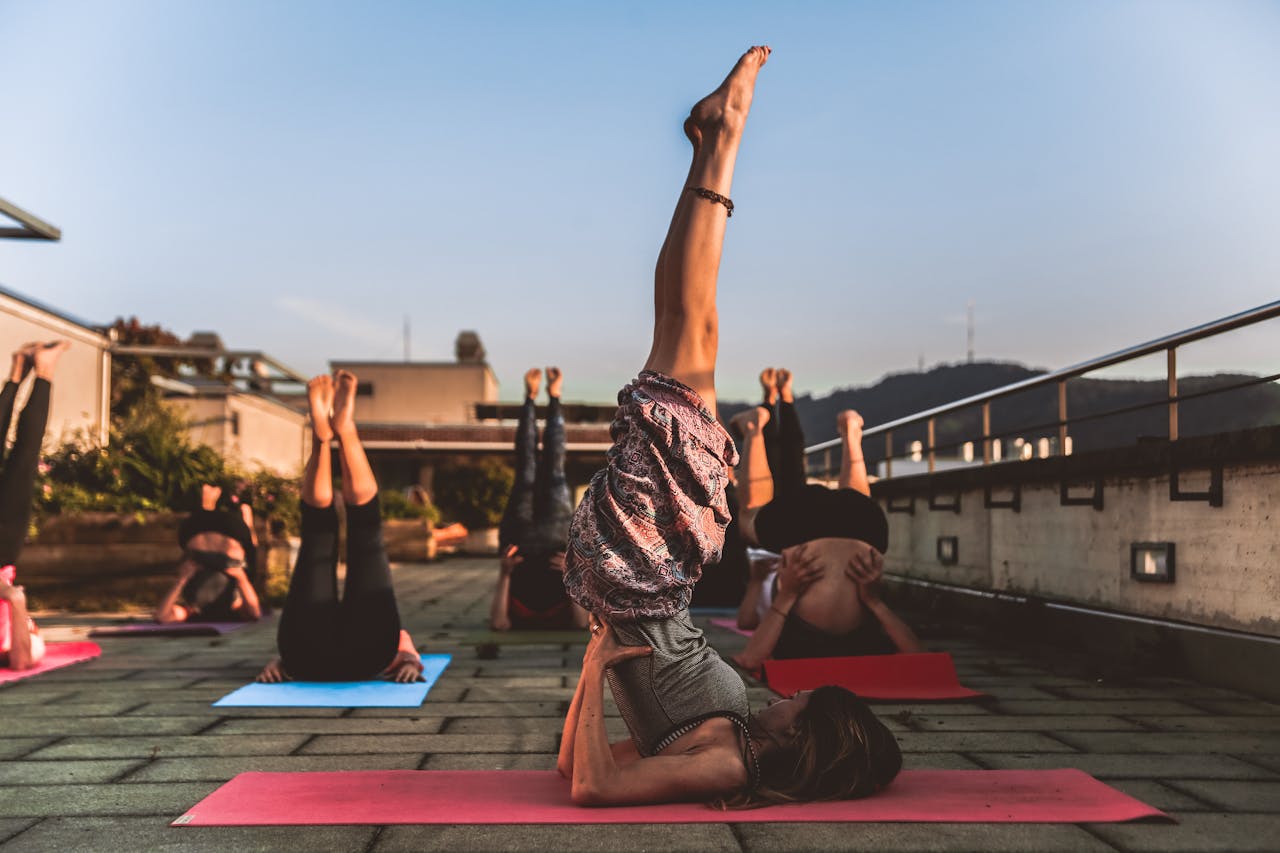
Yoga, an ancient practice originating in India, has transcended cultures and centuries to become a global phenomenon. More than just a series of physical postures, yoga is a holistic discipline that integrates mind, body, and spirit. While many are drawn to yoga for its physical advantages, its benefits extend far beyond flexibility and strength, touching every aspect of our well-being. Whether you're a seasoned yogi or considering rolling out a mat for the first time, understanding the profound impact yoga can have might just inspire you to make it a regular part of your life.
The Physical Transformations Yoga Offers
Let's start with what most people associate with yoga: the physical improvements. Regular practice can bring about remarkable changes in your body, enhancing both its capabilities and its overall health.
Improved Flexibility and Balance
One of the most immediate and noticeable benefits of yoga is increased flexibility. Through a variety of poses, yoga gently stretches muscles and connective tissues, improving range of motion in your joints. This isn't just about touching your toes; better flexibility can prevent injuries, alleviate stiffness, and make everyday movements feel more effortless. Coupled with flexibility, yoga significantly boosts balance. Many poses require holding positions that challenge your equilibrium, strengthening core muscles and improving proprioception (your body's awareness in space).
Enhanced Strength and Muscle Tone
While often perceived as a gentle practice, many yoga styles are incredibly effective for building strength. Poses like plank, warrior, and Chaturanga require you to support your body weight, engaging multiple muscle groups simultaneously. Over time, this leads to increased muscle strength and improved tone, without the bulk often associated with traditional weightlifting. It's a functional strength that supports your skeletal structure and improves overall physical resilience.
Better Posture and Pain Relief
In our modern lives, characterized by prolonged sitting and screen time, poor posture is a common issue leading to back, neck, and shoulder pain. Yoga helps counteract this by strengthening the core muscles that support your spine and lengthening tight areas like the chest and hip flexors. By realigning your body and building awareness of proper posture, many individuals experience significant relief from chronic pain, particularly in the lower back.
Boosted Cardiovascular Health and Circulation
Certain dynamic yoga styles, like Vinyasa or Ashtanga, can elevate your heart rate, providing a gentle cardiovascular workout. Beyond this, yoga's emphasis on deep breathing (pranayama) and relaxation techniques can positively impact your cardiovascular system. It helps reduce blood pressure, improve blood circulation, and increase oxygenation throughout the body, contributing to a healthier heart and more efficient organ function.
The Mental and Emotional Nourishment of Yoga
While the physical benefits are compelling, yoga's profound impact on mental and emotional well-being is arguably its greatest gift. It's a powerful tool for navigating the stresses of modern life.
Stress Reduction and Enhanced Relaxation
Yoga is a proven antidote to stress. By combining physical movement with controlled breathing and meditation, it activates the parasympathetic nervous system – your body's 'rest and digest' response. This counteracts the 'fight or flight' response often triggered by chronic stress. Regular practice can lower cortisol levels (the stress hormone), reduce anxiety, and cultivate a deeper sense of calm and relaxation, both on and off the mat.
Improved Focus and Concentration
In a world of constant distractions, yoga offers a sanctuary for your mind. The practice encourages you to be present, focusing on your breath, your body's sensations, and the intricacies of each pose. This cultivated mindfulness translates into improved concentration and mental clarity in your daily life, helping you to be more productive and less easily overwhelmed.
Better Sleep Quality
Struggling with sleep? Yoga can help. By calming the nervous system and reducing mental chatter, yoga prepares your body and mind for restorative rest. Many practitioners report falling asleep more easily and experiencing deeper, more uninterrupted sleep after incorporating yoga into their routine. Gentle evening sequences can be particularly effective for winding down.
Enhanced Mood and Emotional Regulation
Regular yoga practice can be a powerful mood booster. The combination of physical activity, mindful breathing, and meditation helps release endorphins, natural mood elevators. It also provides a space for emotional processing, helping you to become more aware of your feelings and develop healthier coping mechanisms. This can lead to increased self-compassion, resilience, and an overall more positive outlook on life.
Connecting Mind and Body
Perhaps the most unique aspect of yoga is its ability to foster a deep connection between the mind and body. It teaches you to listen to your body's signals, to understand its needs, and to respond with kindness. This heightened self-awareness is not only empowering but also fundamental to holistic health and personal growth.
Embrace Your Yoga Journey
From increasing your physical prowess to cultivating a peaceful mind, the benefits of yoga are vast and multifaceted. It's a practice that meets you where you are, regardless of your age, fitness level, or experience. If you're looking for a way to improve your health, reduce stress, and find greater balance in your life, rolling out a yoga mat might be one of the best decisions you ever make. Give it a try – your mind and body will thank you for it.